

About Japanese Artistic Confectionery
Craftsmanship and Tradition Passed Down Through Generations
Artistic confectionery is a form of Japanese decorative sweets made entirely from edible ingredients. These creations realistically depict the seasons, flowers, birds, and natural scenery of Japan. The craft is said to have originated in the Edo period as kenjō-gashi, exquisite sweets presented to the shogun’s household. Over the centuries, the techniques have evolved, becoming increasingly intricate, three-dimensional, and lifelike.
At K. Minamoto, our artisans continue this tradition by creating pieces that embody the beauty and elegance of Japanese confectionery, offering viewers a chance to experience the refined artistry behind this timeless craft.
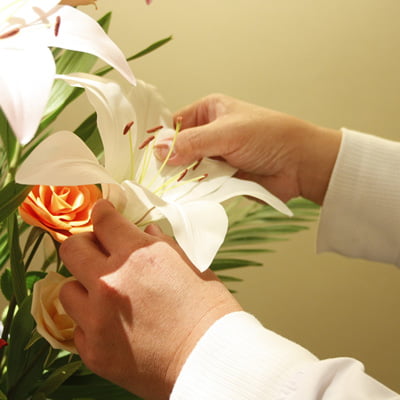
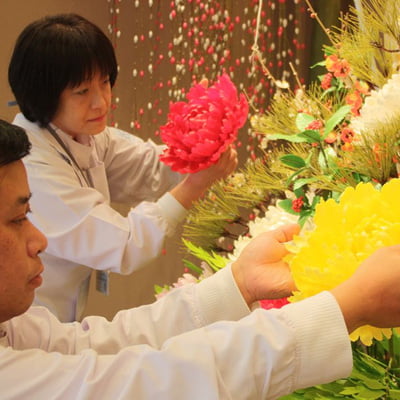
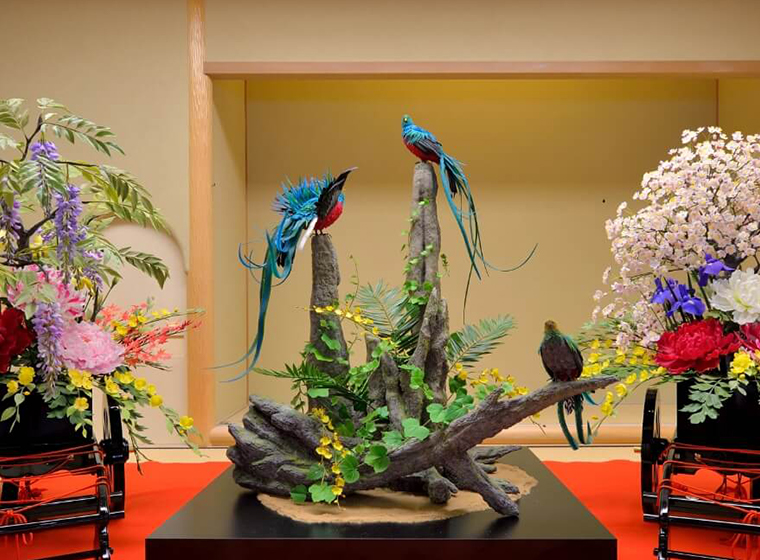
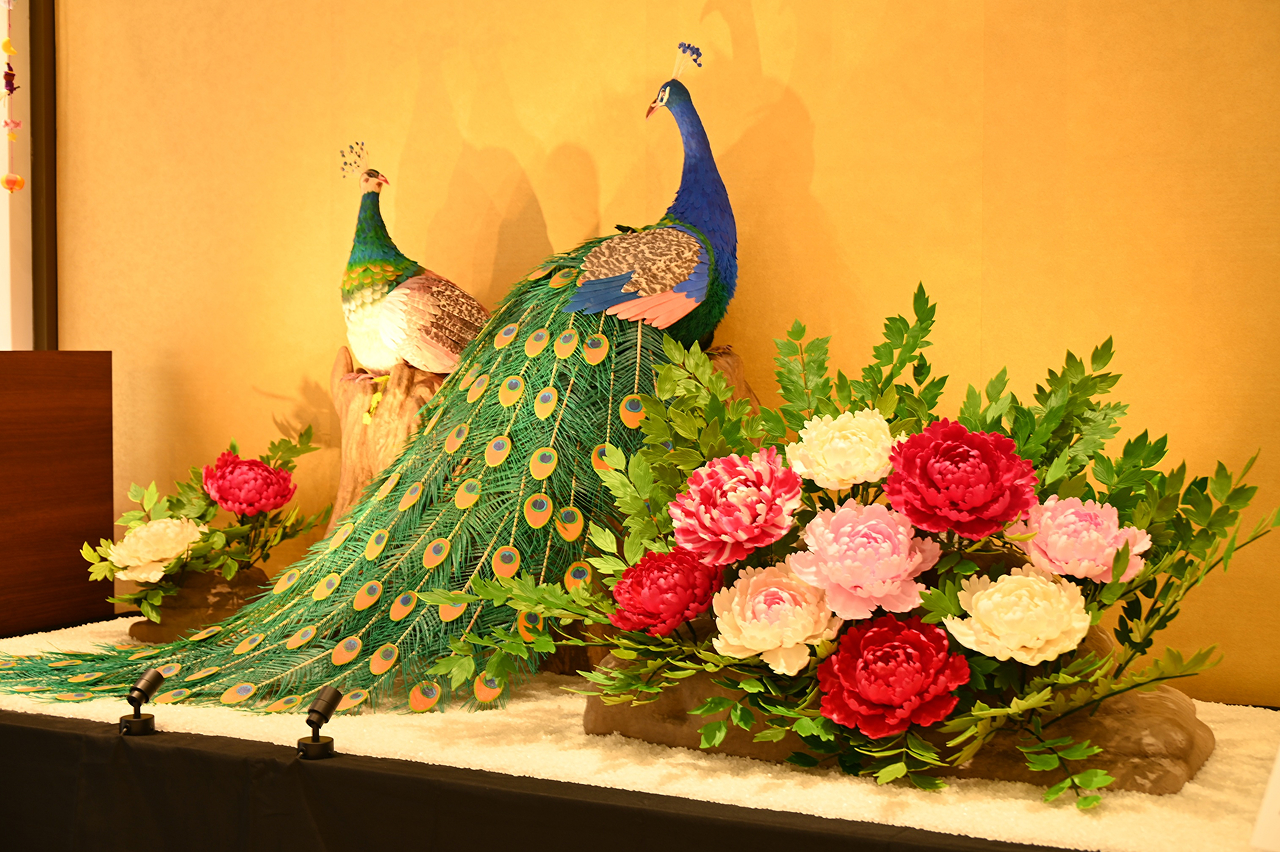
The artistic confectionery piece Kabireichō (“Elegant Flower and Bird”)
Exhibition of Japanese Artistic Confectionery Begins on New Yorkʼs Fifth Avenue
At the Minamoto Kitchoan (K. Minamoto) 5th Avenue store, beginning November 19, we have started exhibiting the artistic confectionery piece Kabireichō ( “Elegant Flower and Bird” ), which received the Honorary Presidentʼ s Awardthe highest prizeat Japanʼ s National Confectionery Exposition. This piece will be on display until the end of January next year, and visitors can view this delicate and intricate work created through the craftsmanship of K. Minamotoʼs artisans.
How Artistic Confectionery Is Created
Here is an overview of the process behind making artistic confectionery.
The primary materials used in this craft are two traditional doughs made from white bean paste, sugar, and rice flour: “Anpei” dough and “Unpei” dough, which serve as the base for shaping and sculpting the pieces.
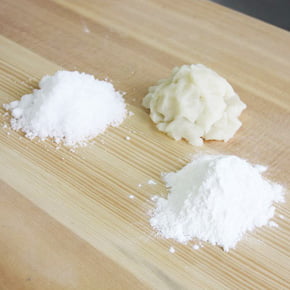
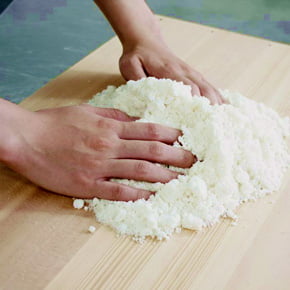
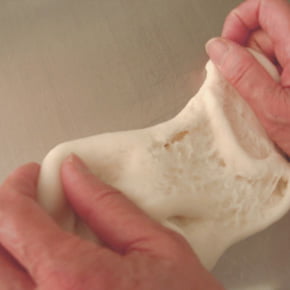
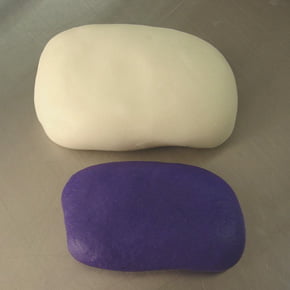
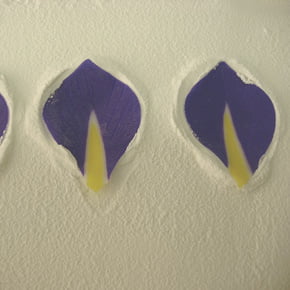
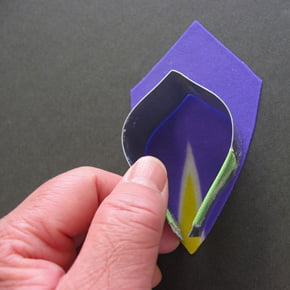
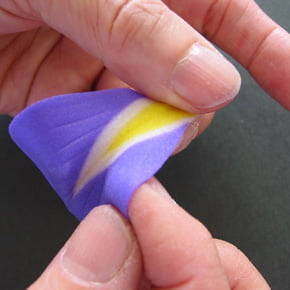
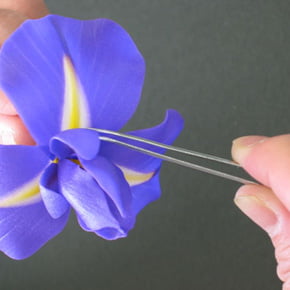
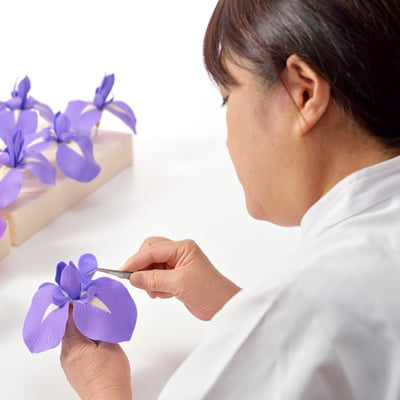
The dough, colored with edible red, blue, and yellow pigments, is then shaped using a variety of specialized tools to create delicate details.
Individual petals and leaves are crafted one by one and carefully assembled to form a single blossoming flower.
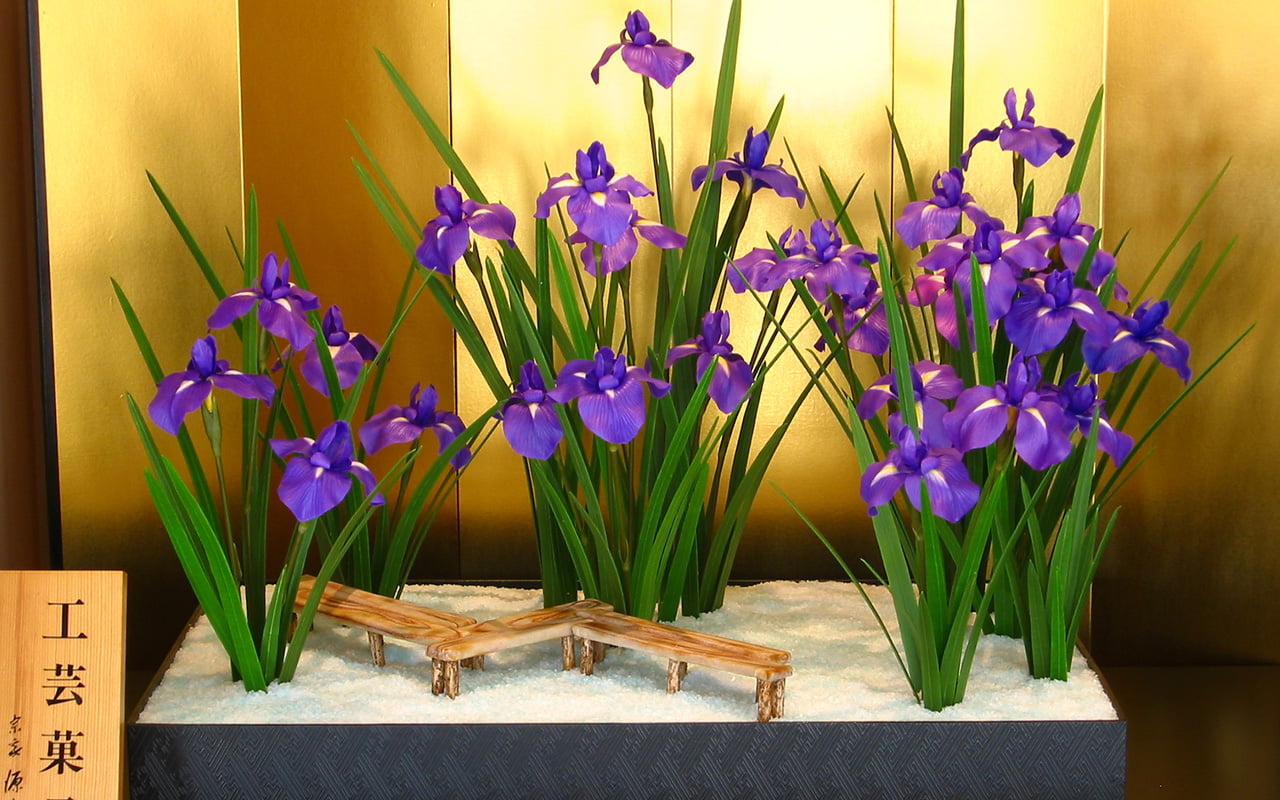
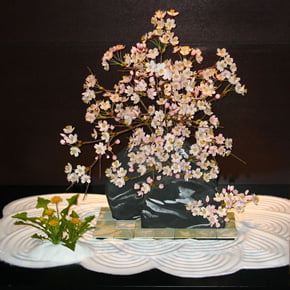
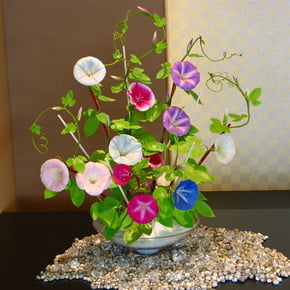
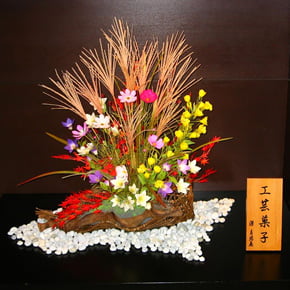
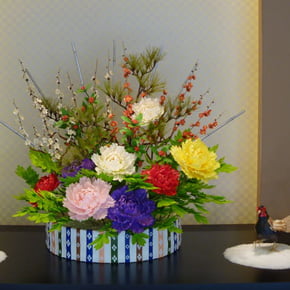
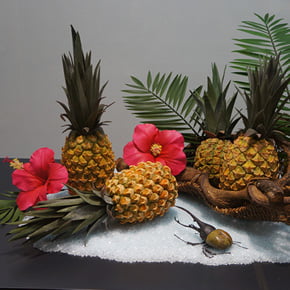
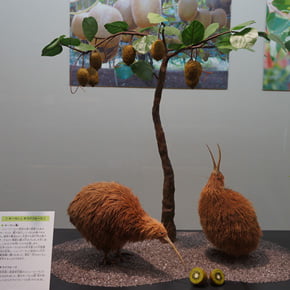
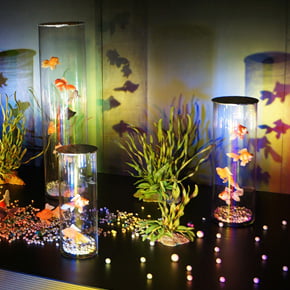
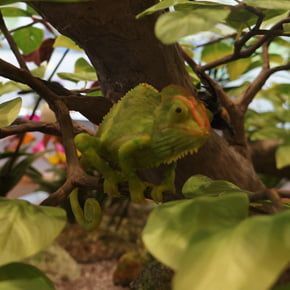
Here, we introduce a selection of artistic confectionery pieces created by K. Minamoto’s master artisans.